Why Fiber Can Make You Bloated: How to Build a Gut That Can Handle More Foods
🎧 Listen to this episode on iTunes | Spotify | YouTube
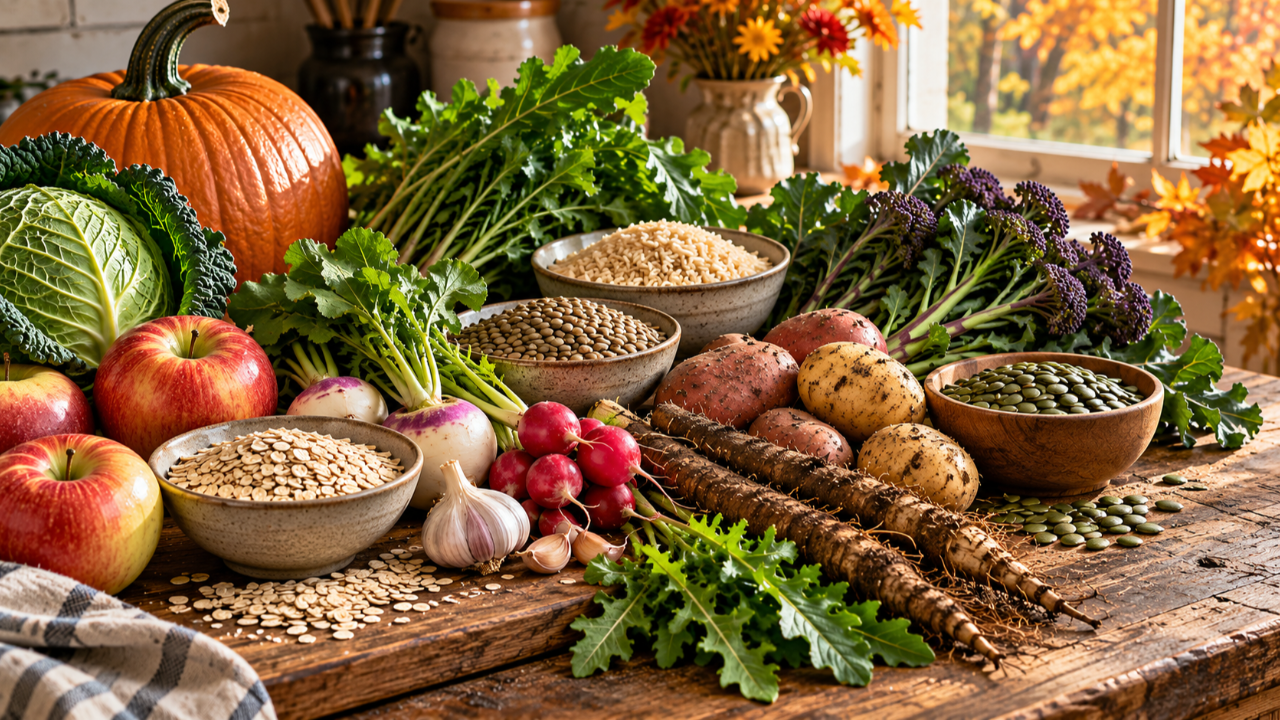
I love the foods of fall. Apples, oats, potatoes, roots, greens, beans, lentils, seeds, soups and stews — all of the foods that naturally bring more variety and substance to the plate.
And for some people, eating this way feels terrible.
That is the part I think gets flattened when we talk about fiber.
We hear a lot about eating more plants, feeding the microbiome, increasing fiber and getting more diversity into the diet. Broadly speaking, those are good goals.
But knowing fiber is good for you and actually having a digestive system that can comfortably work with more of it are two very different things.
There are people who cut almost all fiber out and feel immediate relief. There are people who tolerate beans beautifully but react badly to a dozen other plant foods. And there are people who live with so much gas, pressure, bloating or distention that eating enough plants — or sometimes enough food in general — becomes genu...
Why Healthy Eating Still Makes You Feel Bad: A Look at Your Gut Terrain

The Terrain Map Series
I created the Terrain Map Series to help you understand your health through an ecosystem lens.
Rather than looking at symptoms, minerals, microbes, digestion, metabolism and other body systems as isolated problems to fix, this series begins to map the relationships between them — and the terrain they’re all happening within.
Think of it as a kind of Rosetta Stone for the terrain approach: a way to learn the language and orientation behind the work I do, and why a foundations-first approach can look very different from simply chasing symptoms or adding more interventions.
The first three pieces below help set the stage for this way of thinking. The six-part Terrain Map that follows takes a deeper look at the modern gut ecosystem — including microbial diversity, keystone species, endotoxins, motility and the gut barrier — and how these layers interact with chronic patterns of inflammation, reactivity and resilience.
This is a living body of work that I’ll c...
How Our Bodies Adapt to Early Fall: Light, minerals & the physiology of seasonal change
A Rewilded Wellness approach to seasonal health
What happens during a seasonal transition, and how our relationship with our foundations can change as we become more capable of responding to our bodies.
🎧 Listen to this episode on iTunes | Spotify | YouTube
We crossed the fall equinox on September 22, the start of Libra season and the real turn into autumn. The equinox is the moment light and dark come into balance, and they don't stay there. The days keep getting shorter from that point on, which is a good picture of what balance looks like in a living system. It moves.
We're at the very beginning of fall. When most of us think about fall, we jump ahead to Halloween, Thanksgiving, the clocks changing, and cold and flu season. Those belong to later phases. Right now the season is still establishing itself, and many of us are adjusting to it without having named what we're adjusting to.
I noticed it this year because the weather turned on me fast. The temperature dropped hard righ...
What Comes First When Everything Matters? Discernment, Capacity + a Rewilded Approach to Health
🎧 Listen to this episode on iTunes | Spotify | YouTube
We are living in a time when access to health information is unlike anything humans have ever had before.
You can research every symptom you've ever experienced. You can run increasingly sophisticated tests. You can listen to thousands of podcast episodes, read about almost anything, and now with AI, you can take a piece of information about yourself and go down an incredibly deep rabbit hole in about thirty seconds.
Which is kind of amazing.
But there's another side to that.
Before long, you're learning about blood sugar and protein and thyroid and iron and gut health and histamine and hormones and cortisol and nervous system work and minerals and morning light and mitochondria and fascia — and the problem isn't that those things are nonsense. A lot of them may be completely relevant. That's exactly what makes this so difficult.
They can all be true. But they cannot all be first.
And when everything seems to matter, most ...
What Does Your Body Need Now? Minerals, Patterns + Ecology
What Does Your Body Need Now? Minerals, Patterns + Ecology
🎧 Listen to this episode on iTunes | Spotify | YouTube
I just got my 48th hair tissue mineral analysis back.
Twelve years of running this test on myself — every quarter, through every season, every transition, every difficult chapter and every rebuilding season.
And what I've learned in that time has very little to do with which minerals were low and which were high.
What it's taught me is how to read patterns. And more than that — how to ask a better question.
Not: which minerals do I need to fix?
But: what does this version of me need now?
That shift sounds subtle. But it changes everything about how I approach this work. And I think it might change something for you too.
Why minerals feel so complicated
Minerals are having a moment in the wellness world, and in many ways I love that. They are foundational. They matter enormously.
But I'm also watching them get pulled into the same fragmented model so many of u...
Why Am I So Stiff? The Perimenopause Symptom Nobody Can Explain
🎧 Listen to this episode on iTunes | Spotify | YouTube
I'm about four months away from officially reaching menopause. I haven't had a cycle since December. And while everyone seems to be talking about hot flashes and night sweats, that hasn't really been my experience.
What I've been noticing instead is the condition of my tissues.
My body feels tighter. More guarded. Less resilient than it used to. Not necessarily painful — just different. Like my body has shifted into a different tissue state altogether.
Once I started researching it, I realized this is something an awful lot of women are experiencing during the menopausal transition. And almost nobody is explaining it in a way that actually makes sense.
So that's what this episode is about.
It's not just hormones
Yes, estradiol is changing. And that matters — because estradiol isn't just involved in reproduction. It also helps regulate collagen turnover, tissue hydration, blood flow, connective tissue remodeling, inflammato...
Survival Body Chemistry: Creating the Conditions for Real Healing
🎧 Listen to this episode on iTunes | Spotify | YouTube
This time of year, the body receives more environmental information than at almost any other point in the annual cycle — more light, longer days, stronger circadian signaling. And I think that matters more than most of us realize, especially if you're in the middle of trying to rebuild from chronic health issues.
But the solstice is really just the doorway into something I've been circling for years and finally have language for: survival body chemistry.
It's not a diagnosis. It's not something wrong with you. It's what happens when a body has spent so long adapting to difficult conditions — mold exposure, unresolved trauma, grief, financial stress, broken sleep, chronic undernourishment, a decade of overgiving — that survival becomes the priority instead of repair.
Here's what I mean. The body doesn't have a simple on-off switch between "surviving" and "thriving." It's far more nuanced than that. What I actually see, especia...
When It "Feels" Like Nothing Is Working
🎧 The full episode is live now. Listen on Apple Podcasts, Spotify, or YouTube.
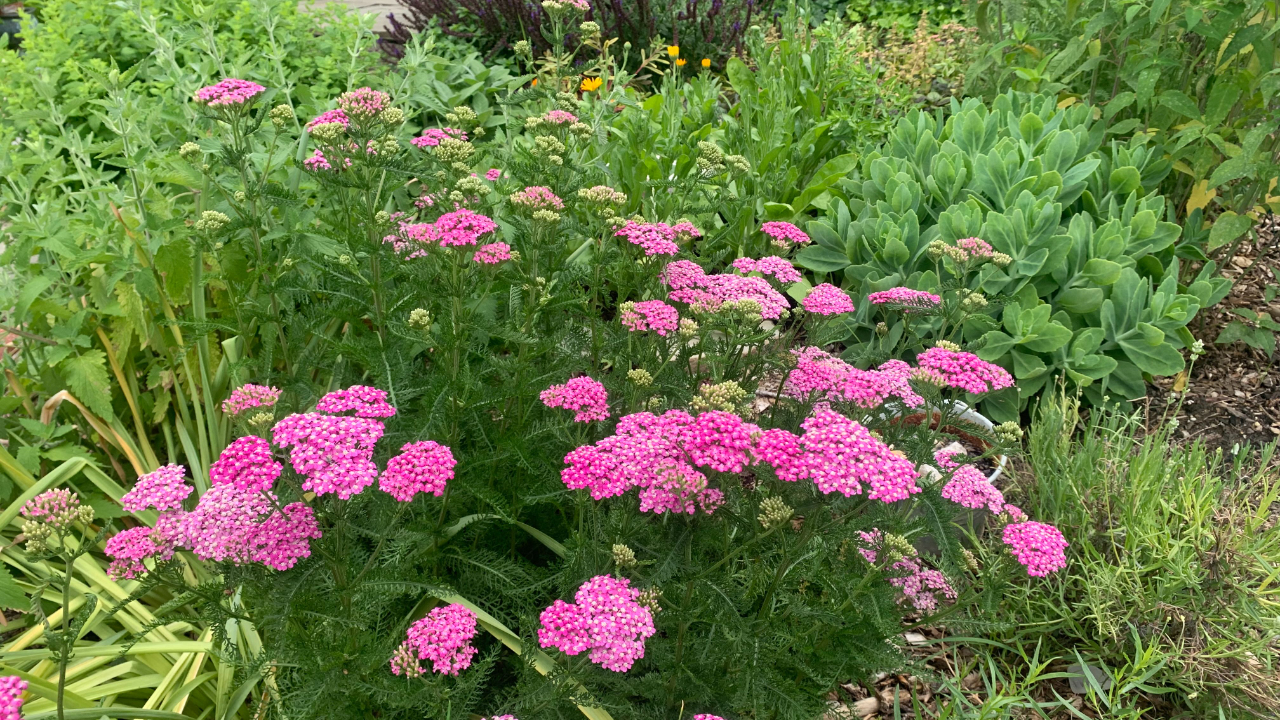
Last year I had a dream that I was standing in my carrot patch. As I began pulling carrots, the earth kept opening and revealing more and more of them. It felt endless.
This week I harvested my first real handful from thinning that same patch.
The harvest wasn't created today. It began when the conditions were created for something to grow. A year ago I cleared the space, built the bed, improved the soil, planted the seeds, and kept tending what I couldn't yet see.
Sometimes growth is happening long before there's evidence of it.
As I stood there holding those carrots, I realized that abundance often arrives much differently than we imagine it will.
When we begin something — a healing journey, a business, a garden, a new season of life — we tend to focus on what we can see. We look for visible growth. Visible results. Visible proof that our efforts are working.
But carrots don't grow toward the sky....
Your Body Can't Optimize What It Hasn't Stabilized Yet
Listen to this episode on iTunes | Spotify | YouTube
If you've been doing all the things — the supplements, the protocols, the tests, the dietary changes — and you still can't seem to get out of the pattern you're in, this one is for you.
The problem isn't that you're broken. It's not that you're not trying hard enough. It's something more fundamental than that, and once you understand it, a lot of things that haven't been making sense will start to click.
You Are an Ecosystem, Not a Machine
The first thing I want you to understand is that you are not a collection of parts. Your brain, your nervous system, your gut, your immune system, your hormones — these are not separate departments operating independently. They are one integrated, self-regulating terrain. Everything talks to everything.
When we try to understand our health by segmenting ourselves into categories — fix the gut over here, balance the hormones over there — we end up more overwhelmed and less clear. The body onl...
When Wellness Culture Replaces Nourishment With Hypervigilance
This post accompanies the latest episode of the Rewilded Wellness Podcast : find the full episode on iTunes, Spotify, or YouTube.
It started with an Instagram comment.
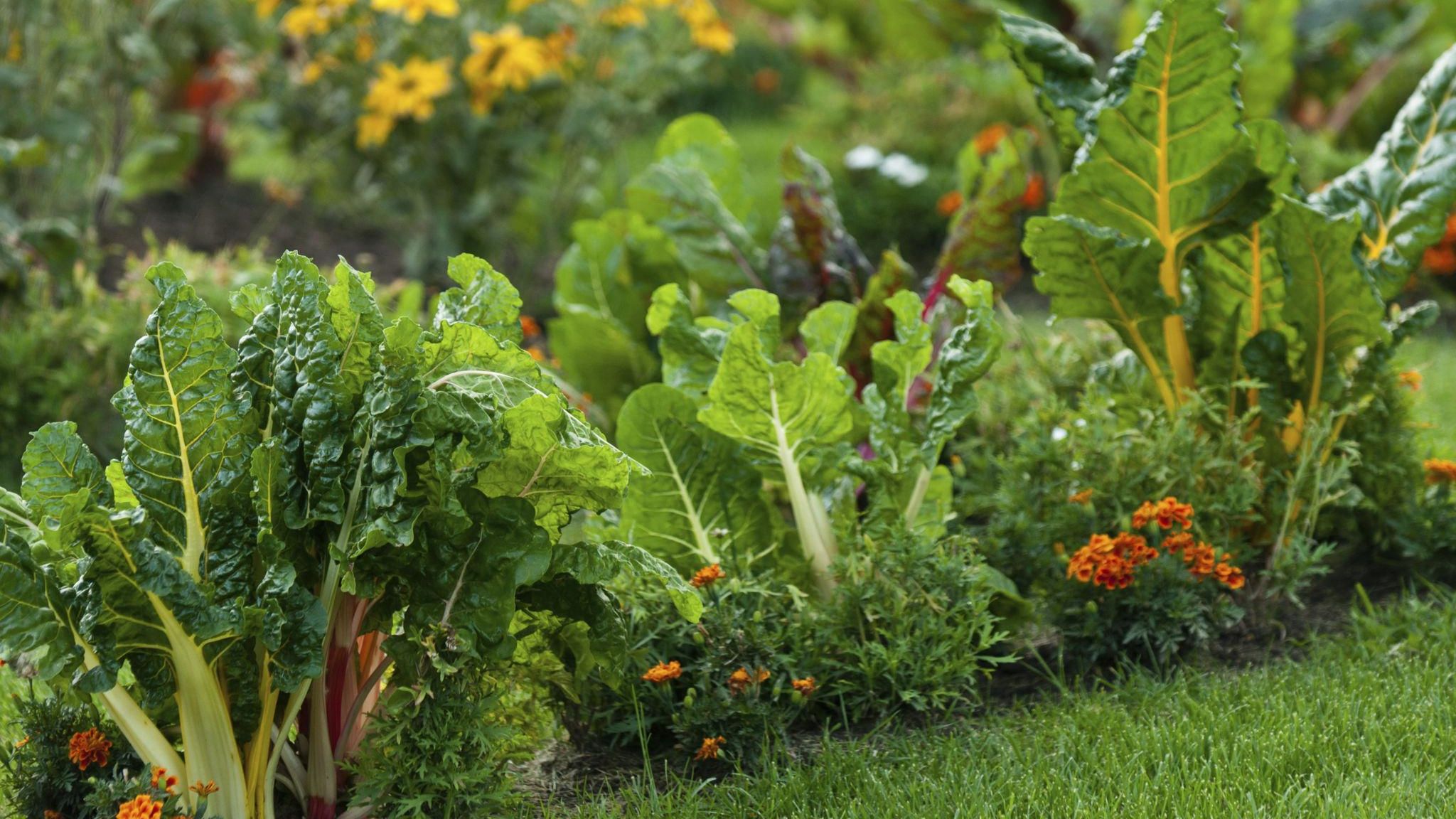
I'd posted a video about eating more greens — it's spring, the garden is overflowing, and I wanted to have a simple, embodied conversation about food. And someone wrote: "I agree except for spinach. It's high in oxalates, which I think are a huge problem."
One sentence. Maybe Well-meaning, probably reflexive. And it's a perfect snapshot of where we've landed as a culture around nourishment.
We've been trained to treat every meal as a risk calculation. Every plant has a compound you should know about. Every body becomes a collection of labels and syndromes — MCAS, SIBO, histamine intolerance — segmented into compartments until there's no cohesive whole left. The result is a culture drowning in wellness information but starved of actual nourishment.
In this episode, I explore the gap between cognitive par
...