When Wellness Culture Replaces Nourishment With Hypervigilance
This post accompanies the latest episode of the Rewilded Wellness Podcast : find the full episode on iTunes, Spotify, or YouTube.
It started with an Instagram comment.
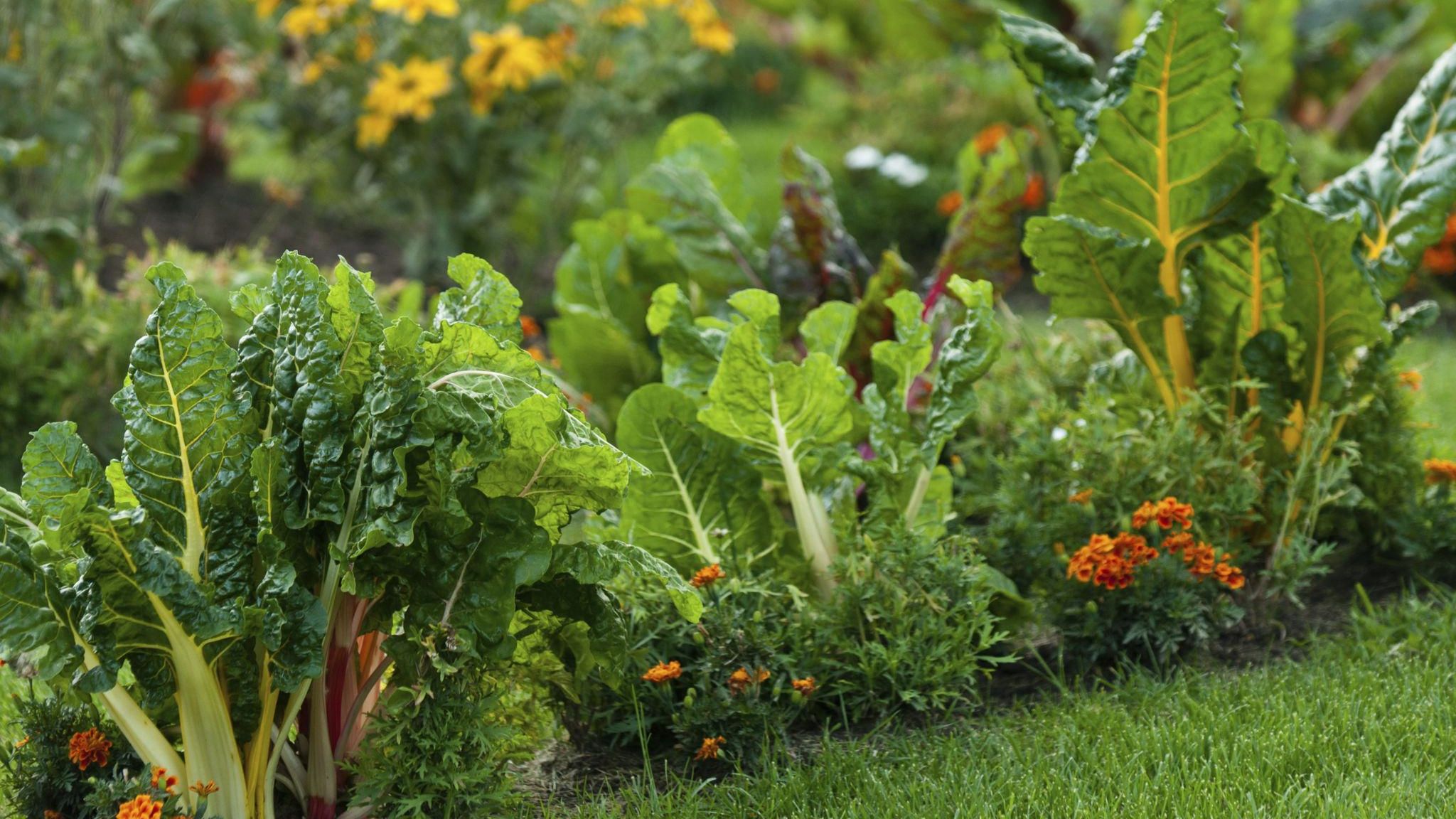
I'd posted a video about eating more greens — it's spring, the garden is overflowing, and I wanted to have a simple, embodied conversation about food. And someone wrote: "I agree except for spinach. It's high in oxalates, which I think are a huge problem."
One sentence. Maybe Well-meaning, probably reflexive. And it's a perfect snapshot of where we've landed as a culture around nourishment.
We've been trained to treat every meal as a risk calculation. Every plant has a compound you should know about. Every body becomes a collection of labels and syndromes — MCAS, SIBO, histamine intolerance — segmented into compartments until there's no cohesive whole left. The result is a culture drowning in wellness information but starved of actual nourishment.
In this episode, I explore the gap between cognitive participation (researching, scanning, memorizing pathways) and embodied participation (chopping greens, cooking without a recipe, trusting your hands). I share why the kitchen could be a regulating environment for a nervous system stuck in hypervigilance. And I make the case that plant compounds — oxalates, lectins, sulfur — aren't universally bad. The terrain of the person in front of you is what matters. The question isn't "are oxalates bad?" The question is: what's going on in the physiology of the person who can't tolerate them right now, and what needs to be corrected so the terrain can handle more variety, not less?
The blanket statement — "this compound is bad, avoid it" — doesn't solve anything. It doesn't allow for repair. It just adds another restriction to someone who's already overwhelmed. And the hypervigilance itself, the constant scanning, the tight grip around every food choice — I think that stress is far more harmful in the long run than the oxalate ever was.
If you've ever felt like you can't have a healthy conversation about food anymore, like there's always someone who needs to correct you, like your body feels unpredictable and the instinct is to research more and narrow more — this episode is for you.
Listen to the full episode on iTunes, Spotify, or YouTube.
The Recipe: Lydia's Meat & Veggie Hash
In the episode, I walk through my Meat & Veggie Hash method — not a recipe, but a seasonal kitchen framework you can cook a thousand different ways. Here it is in full, so you can print it, save it, and get back in your kitchen.
Lydia's Meat & Veggie Hash Method
A seasonal kitchen framework
A simple seasonal meal you can cook a thousand different ways
This is one of my favorite meals because it's flexible, nourishing, and quick to prepare. The idea is not to follow one exact recipe but to use a formula:
Meat + vegetables + herbs + broth + time
Once you understand the method, you can cook this meal using whatever is growing in your garden, sitting in your fridge, or waiting in your freezer.
Motto: Keep it simple.
Base Formula
1 pound ground meat
Choose any kind you like:
- beef
- turkey
- chicken
- lamb
- pork
- venison
- bison
Serves: 4–6
Goal per meal: 1–3 cups vegetables per serving
Total vegetables: 6–18 cups
Choose Your Vegetables
For balance, combine two categories.
Something leafy or green
Examples:
- kale
- collards
- swiss chard
- spinach
- bok choy
- broccoli rabe
- mustard greens
Something grounding or starchy
Examples:
- carrots
- turnips
- beets
- parsnips
- rutabaga
- potatoes
- sweet potatoes
- winter squash
Start with two vegetables and expand once you get comfortable.
Flavor Builders
Herbs & spices
Choose a few:
- turmeric
- cumin
- paprika
- oregano
- thyme
- rosemary
- sage
- savory
- chili powder
- cayenne or chipotle
Aromatics
Use what your gut tolerates:
- garlic
- garlic-infused olive oil
- chives
- scallion greens
- leek greens
Healthy fats
Use a spoonful to start cooking:
- ghee
- butter
- duck fat
- pastured lard
- bacon fat
Cooking Method
- Heat a large skillet or chef's pan over medium heat.
- Add 1 tablespoon healthy fat.
- Add 1 pound ground meat and cook until browned.
- Add chopped vegetables and herbs.
- Pour in broth or water as needed to prevent burning.
- Simmer 20–30 minutes until vegetables are tender.
- Taste and adjust salt, herbs, and acid.
Optional Finishing Touches
A little brightness at the end makes everything better.
Add:
- apple cider vinegar
- lemon juice
- lime juice
Top with fresh herbs like:
- parsley
- cilantro
- basil
Serving Ideas
Enjoy the hash as a complete meal, or serve it:
- over brown rice
- over quinoa
- with roasted potatoes
- in a salad bowl
- wrapped in lettuce or radicchio leaves
Go Deeper
If this episode resonated and you want to do the deeper work of reading your body's actual terrain, steadying your nervous system, and rebuilding from the ground up — I'd love to invite you into Minerals and Microbes, my signature program. The Rewilded approach: everything comes back to nature's way.
I only onboard a few new clients at a time so I can give appropriate attention to everyone. As of this recording, I have space for three new clients in June 2026. You can find all the details at lydiajoy.com.
And if you're enjoying the podcast, please subscribe and leave a review — it helps more people who are stuck in the same exhausting loops find their way here.
Stay empowered with my weekly updates!
If you enjoy reading my posts, please consider being a part of the tribe that is being built here. You're information will not be shared.
